Open the Drawer: How Junk Becomes a Doorway When You Finally Look at It
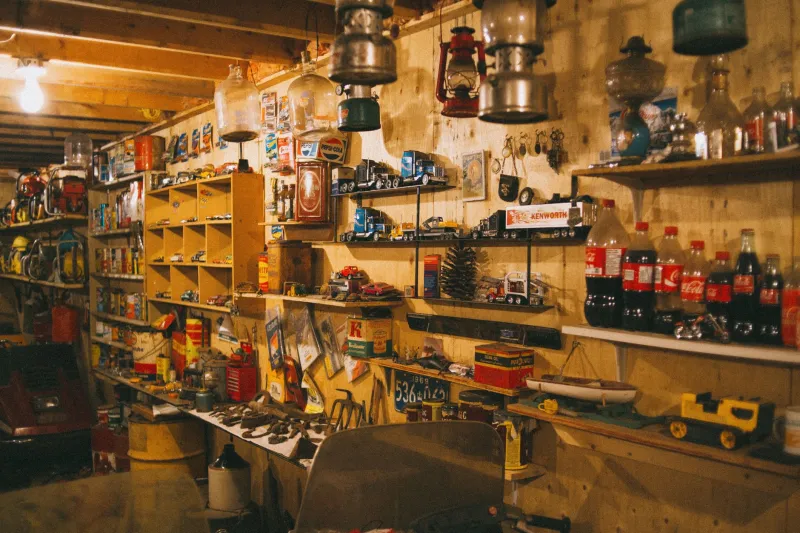
Everybody has one. Not the fancy junk drawer with the organizer insert from The Container Store — I mean the drawer. The one that sticks a little. The one with the dead batteries, the birthday candle stubs, the key to a bicycle you sold in 2011, and a single envelope addressed in your own handwriting to someone you never mailed it to.
We keep these drawers the way some people keep attics: as a low-stakes museum of the people we almost became. And last Tuesday, standing in my kitchen avoiding a deadline, I realized I'd been looking at mine all wrong.
The Archaeology of Almost
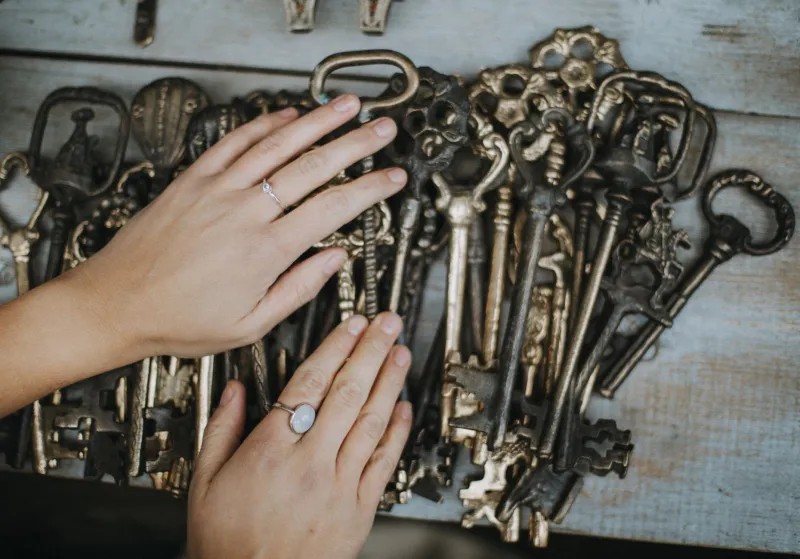
Here's what was in my drawer, in no particular order: a luggage tag from a trip I never took, three buttons from a blazer I donated years ago, a fortune cookie slip reading "the waiting is the hardest part," and a brass key of unknown origin that I have carried, house to house, across four states.
If a therapist saw this drawer, they'd bill me. If a poet saw it, they'd write a chapbook.
Because here's the thing about the objects we "keep just in case" — the just in case is never about the object. It's about the version of you that needed it. The key belongs to a door in a life you didn't choose. The unmailed letter belongs to a conversation you're still having in your head at 2 a.m. The buttons belong to a sharper, more put-together you who apparently owns a blazer.
These aren't distractions. They're drafts.
Why We Bury Our Beginnings
There's a reason the drawer is where these things go and not the trash. Throwing them out feels like closing a door. Keeping them feels like leaving it unlocked.
But there's a third option nobody talks about: actually opening the thing.
In Jewish mysticism, the letter Alef — the first letter of the alphabet — is silent. It makes no sound on its own. It only becomes audible when paired with what comes next. The mystics loved this: the beginning of everything is quiet, waiting, dependent on your willingness to add a voice to it.
Your junk drawer is full of Alefs. Silent objects. Potential sounds. They do nothing until you do something.
The Five-Minute Unlocking Ritual
So here's the practice. It takes less time than scrolling your phone in the bathroom, and it has a genuinely strange way of rearranging your head.
Step one: Open the drawer. The real one. Not metaphorically. Physically. Go get it. I'll wait.
Step two: Choose one object. Don't overthink it. Don't inventory the whole drawer. Let your hand land on something and call it fate. The rule is: one object, thirty seconds, no swaps.
Step three: Ask it one question. Not "why do I own this?" — that's a dead end. Ask instead: what was I about to begin when this mattered to me? A trip. A conversation. A hobby. A version of yourself with a blazer.
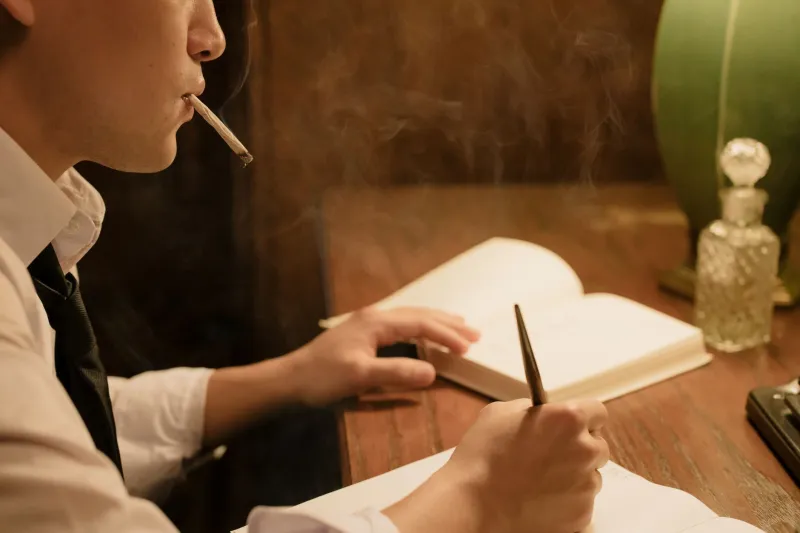
Step four: Write the first sentence. Just one. The opening line of the story this object belongs to. Not the story of the object — the story it was waiting to be part of.
My brass key produced this: "The apartment on Halsey Street had a mail slot that stuck, and I'd been practicing saying 'I'm a writer' out loud for six blocks before I knocked."
I have no memory of an apartment on Halsey Street. But the sentence has been sitting on my desk for a week now, humming.
What Readers Keep Coming Back For
I asked around — friends, a few readers, my aunt in Scottsdale — about their own drawer artifacts, and the pattern was almost eerie. Nobody kept valuable things. Everybody kept threshold things.
- A pack of blank index cards from a graduate program she quit in week two
- A matchbook from the restaurant where he almost proposed
- A child's library card, expired, belonging to a kid who's now in college
- A foreign coin, unspendable, from a layover that changed everything
Not one person kept these items for utility. They kept them the way you keep a door cracked open in winter — just enough to remember there's an outside.
The Drawer Is Not the Point
Here's the part I didn't expect. After doing this ritual three times — once for the key, once for a dead ticket stub, once for a guitar pick from a guitar I never learned to play — I noticed the drawer itself started to matter less.
The objects weren't haunting me anymore. They'd been witnessed. Turned from silent clutter into a single spoken sentence each. That's the whole trick of Alef: it stays silent until you give it a voice, and once you do, it's no longer a locked thing. It's a beginning.
So try it. Tonight, or tomorrow morning, or whenever the kitchen is empty and nobody needs you for five minutes.
Open the drawer. Pick the thing. Write the line.
You already own the key. You've been carrying it for years — you just haven't asked what it opens.
And if you do the ritual, I'd love to hear what your object turned out to be. Some of the best first sentences I've ever read started in a drawer that stuck.