One Is Not Lonely: The Quiet Arithmetic of Being Alone
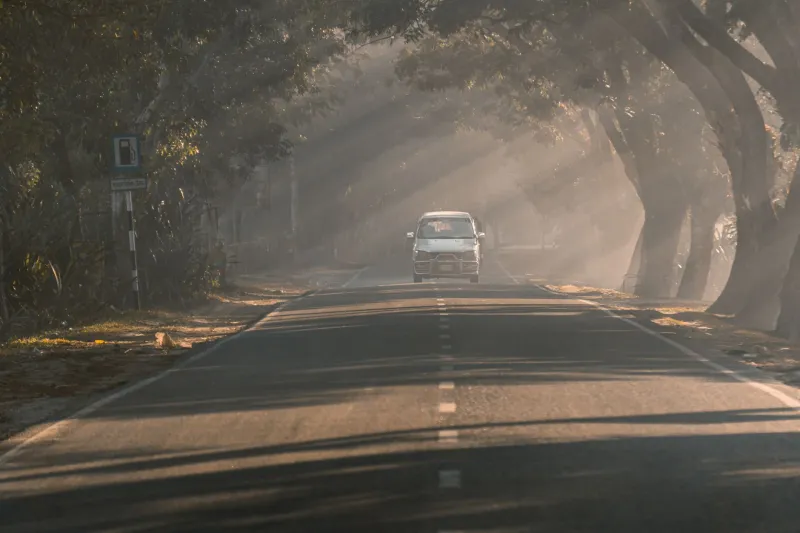
There's a stretch of Route 1 in Maine where the cell service dies about twenty minutes before you reach the lobster shacks. Locals will tell you this is a feature, not a bug. For the past three summers, a 34-year-old nurse from Portland named Dana has driven that stretch alone, windows down, phone dark in the cupholder. "It's the only hour of my week where nobody's asking me anything," she told me. "And it's the hour where I figured out I wanted to go back to school."
She's not the only one. Scroll through any corner of the internet where Americans confess their coping mechanisms, and you'll find the "lonely drive" phenomenon thriving — solo road trips taken not despite the aloneness but because of it. Something is happening in that quiet, and the mystics saw it coming a long time ago.
The Number That Started Everything
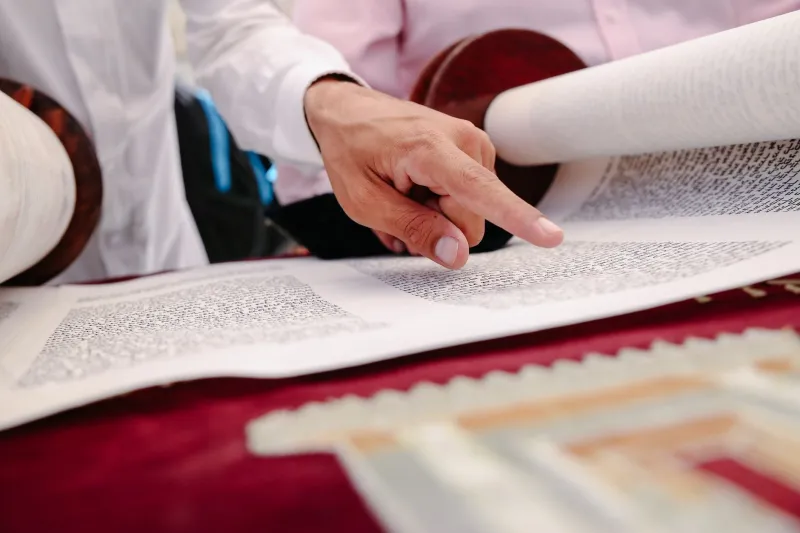
In Hebrew, the letter Alef is silent, and its numerical value is one. It sits at the front of the alphabet not because it makes the loudest noise — it makes none at all — but because everything else is built on top of it. One, before two. The single point before the multiplication begins.
Kabbalistic writers spent centuries on this idea: that oneness isn't emptiness but potential. A room with one person in it isn't missing anyone. It's the raw material every relationship, every project, every reinvention gets mixed from.
Which is a nice thought until you're actually alone on a Tuesday night, and then it can feel like a greeting card. So let's talk about the people who put it to the test.
The Cabin, The Car, The Kitchen Table
Thoreau gets cited so often he's practically a punchline, but the specifics of Walden get lost. He didn't move to the woods to escape people. He went to "front only the essential facts of life" — to strip the noise down to one signal. Two years, two months, and two days in a one-room cabin, and the man came out with a book America still can't stop arguing about.
The modern versions are less romantic and more relatable. Marcus, a former project manager in Austin, quit a job that was hollowing him out and spent four months what he calls "aggressively alone" — no dating apps, no group chats, long walks around Lady Bird Lake with a pocket notebook. "I kept waiting for the loneliness to get unbearable," he said. "Around month two, it flipped. I started hearing my own opinions again. Turns out I'd outsourced all of them."
He's now a furniture maker. His first commission was a desk.
Then there's Renee in Ohio, who wrote her entire novel in the 45 minutes before her kids woke up — the only solo block in her day. "Alone isn't a lifestyle for me," she laughed. "It's a ration. But you'd be amazed what one ration of silence does."
Notice the pattern: none of them describe solitude as the reward. They describe it as the key. The turning happens alone; the door opens later, out in the world.
Why One Comes First
There's a reason every creation story worth its salt begins with a single presence in a quiet room. The mystics called Alef the letter of unity — the numeral one that contains every other number in potential. You can't count to two until one exists.
Solitude works the same way. It's not the opposite of connection; it's the prerequisite. The insight you bring back to your people was forged in the quiet. The novel gets drafted alone and read together. The decision to change your life is made by a party of one, then lived out loud.
So if you're sitting in your car outside the grocery store for ten extra minutes, engine off, not going in yet — you're not hiding. You're at the front of the alphabet. You're the one before the counting starts.
A Small Practice for the Solo Hour
If you want to make your alone-time do more than scroll-past, try this: one hour, one week, no agenda. No podcast, no errand disguised as reflection. Just you, a notebook or a window, and the number one.
Don't aim for a breakthrough. Alef never made a sound; it just held the space for every word that followed. The breakthrough is downstream. The solitude is the key turning, and sometimes keys turn slowly.
Dana, the nurse from Maine, put it best as she pulled back onto the road: "Alone used to feel like a punishment. Now it feels like the first page."
One page. One letter. One. It's not lonely — it's where everything starts.