Seven Days, One Unlocked Door: The Experiment That Turned My Porch Into a Church
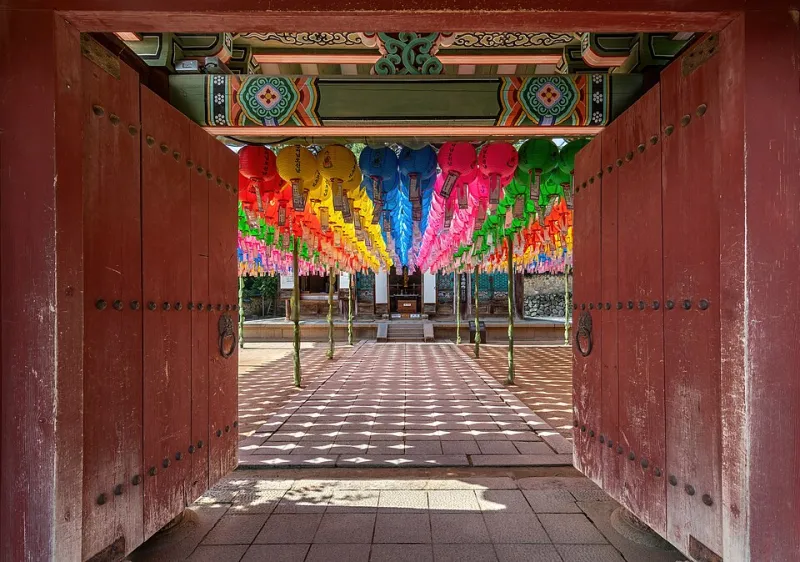
Photo: Basile Morin, CC BY-SA 4.0, via Wikimedia Commons
There's a letter that starts everything. In Hebrew it's Alef — silent, invisible, the sound you make before you make a sound. I've spent years writing about it on this site, that strange idea that beginnings are quiet things, doors that open before you notice you've pushed them.
So last spring, I decided to test the theory with the most literal door I own: the front one.
For seven days, in my small Midwestern town — the kind of place where the diner closes at 8 and everyone knows which cop goes soft on speeding — I left my front door unlocked. All day. All night. No note. No sign. Just an open invitation that nobody officially received.
Here's what happened.
Day One: The Terror Phase
Let me not romanticize the start. The first night, I lay in bed listening for footsteps like a paranoid Victorian ghost. Every creak was an intruder. Every car that slowed down was a threat assessment.
We've been trained, all of us, to hear an unlocked door as a wound. Somewhere between 1950 and now, the unlocked front porch went from normal to negligent. Our grandparents left keys in ignitions. We install doorbell cameras that email us when a squirrel moves.
I want to be clear: I'm not telling you home security is a scam or that locks are a spiritual failing. Locks are fine. Locks are good, even. But somewhere along the way, the locked door stopped being a tool and became a philosophy — the belief that safety and openness are opposites.
I wanted to know if that philosophy was true. So I unlocked the door and went to sleep, badly.
Day Three: The First Visitor
Nothing walked in. That's the first plot twist. Three days of an open door, and the only thing that entered was a moth and, briefly, my neighbor's cat, Gerald, who looked at me with what I can only describe as embarrassment on my behalf.
This tracks with something a locksmith told me later over coffee at the diner: "Most people lock doors against strangers who were never coming. The door was never the problem. The fear was."
But on day three, something did happen — just not the something I expected. My mail carrier, Deb, noticed the door ajar while I was in the yard and knocked harder than necessary, genuinely alarmed. "You okay in there?" she asked. And then we talked for twenty minutes about her daughter in Phoenix and the flood of '93 and why she still delivers this route even though she could have retired.
An unlocked door didn't let a stranger in. It let a neighbor stay.
Day Five: The Porch Becomes a Place
By midweek, word had gotten around — because in a small town, everything gets around the way water gets under a door. People started using my porch as a landmark. "Meet at the unlocked house," a kid told his friend, and I nearly cried into my coffee.
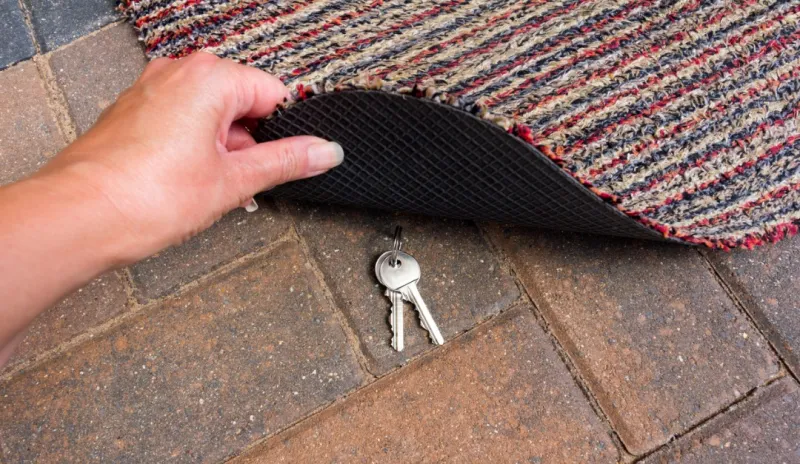
A woman named Ruth, eighty-one, walks the neighborhood every evening and had never once stopped to rest. On day five, she sat down on my steps because, in her words, "a door that's open is a door you can sit near." She told me she'd left her own door unlocked in Detroit in 1962 for her sister, who worked nights and never had a key. The sister died in '09. Ruth still keeps a key under a flowerpot, "just in case someone needs in."
I wrote down that sentence and haven't stopped thinking about it since. Just in case someone needs in. Not out. In.
What the Door Was Actually For
Here's where I have to be honest about what this was: not a security experiment. A spiritual one.
Every tradition worth its salt has a version of the open door. Abraham ran to greet strangers in the desert. The Hebrew word for hospitality, hachnasat orchim, literally means "bringing in the ones who are outside." And Alef — our silent first letter — is the door itself in mystical writing, the gateway through which everything else passes.
We don't have much of that left in American life, and we miss it in ways we can't name. We order groceries to avoid the store. We text instead of knock. The front porch, that great American invention, became a staging area for packages.
The unlocked door didn't fix any of that. But it cracked something open in me. I noticed who I'd been keeping out, and it was mostly everybody, including versions of myself that wanted to be interrupted, surprised, needed.
The Week Ends, the Question Doesn't
On day seven, I locked the door. Deb saw me do it and nodded like she understood — because she did. The point was never to live undefended forever. The point was to remember that a door has two jobs: to close and to open. We've only been practicing one.
So here's the small ritual I'm proposing, and it costs nothing: once a week, open your front door and leave it that way for ten minutes. Stand there. Let the outside know it's allowed. You don't have to invite anyone in. You just have to stop assuming everything outside is a threat and everything inside is sacred.
Because the real lock, the one worth picking, isn't on the door.
It's the one we installed on the assumption that no one is coming.